New Look. Same Trusted Taste.
Free shipping on ORDERS OVER $44

Why regular gluten-free flour does not work well for rotis
Learn why regular gluten-free flour does not work well for rotis, chapatis, and parathas — and what to look for in a gluten-free atta replacement for South Asian cooking.
Aarog Foods
3/23/20263 min read
Why Regular Gluten-Free Flour Does Not Work Well for Rotis
If you have ever tried making rotis with regular gluten-free flour, you may have noticed the same problems: the dough cracks, the roti breaks while rolling, the texture feels dry, or the roti turns stiff after cooking.
That does not mean gluten-free rotis are impossible. It usually means the flour was not designed for roti-making.
Most gluten-free flours are created for Western-style baking, such as cakes, cookies, muffins, pancakes, or breads. Roti is different. It needs flexibility, softness, structure, and enough strength to roll thin without falling apart.
Why wheat atta works so well for rotis
Traditional wheat atta works because wheat naturally contains gluten. Gluten gives dough elasticity and stretch. This helps the dough hold together when kneaded, rolled, lifted, and cooked on a hot tawa.
That is why wheat rotis can:
roll thin without cracking
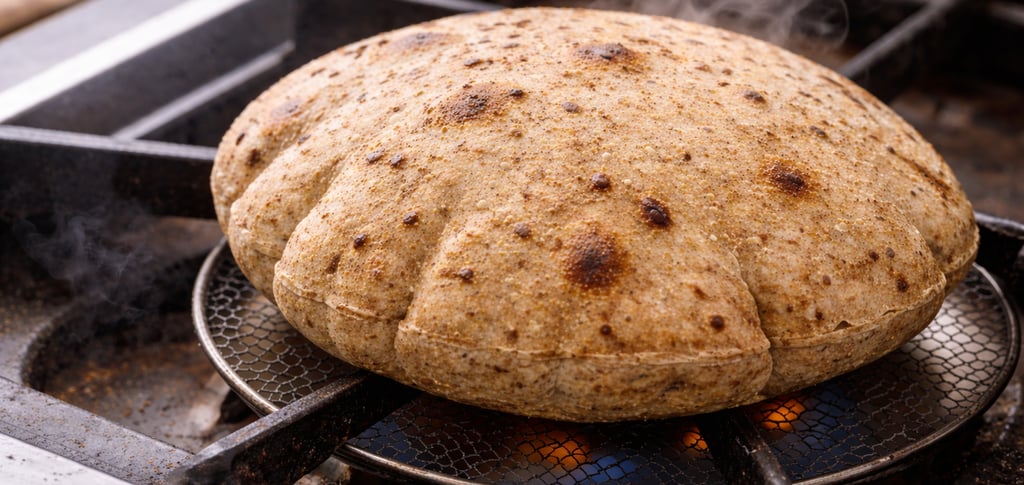
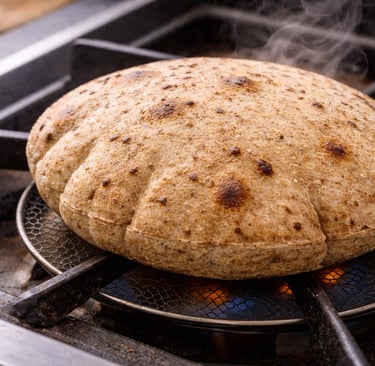
puff when cooked properly
stay flexible after cooking
scoop sabji, daal, or curry without breaking
When gluten is removed, that natural stretch disappears. So the flour blend has to be built differently.
Why regular gluten-free flour often fails
Many gluten-free flours are made with baking in mind. They may work well for muffins or cakes, but rotis need a different type of structure.
Here are the most common problems.
1. It lacks elasticity
Roti dough needs to bend and stretch. Regular gluten-free flour often lacks that elasticity, so the dough cracks around the edges when rolled.
This is why many gluten-free rotis look fine at first but break when you try to lift them from the rolling board.
2. It does not bind well
Wheat atta binds naturally. Gluten-free flour needs help from ingredients that support binding, such as psyllium husk, flaxseed, chickpea flour, lentil flour, or other structure-building ingredients.
Without proper binding, the roti may fall apart during rolling or cooking.
3. It may be too starchy
Many gluten-free baking flours rely heavily on starches. That can help baked goods feel light, but it does not always work for roti.
A very starchy flour can make rotis:
dry
rubbery
chewy
stiff after cooling
For everyday rotis, the blend needs balance — not just starch.
4. It is not made for hot tawa cooking
Roti cooks quickly on direct heat. The flour must hydrate properly, hold moisture, and tolerate high-heat cooking.
Some gluten-free flours are designed for oven baking, where moisture, fat, sugar, eggs, or leavening agents help create structure. Roti usually uses only flour, water, and sometimes a little oil or salt. That makes the flour blend much more important.
5. It may not match South Asian cooking needs
Most gluten-free flour blends are designed for Western recipes. But South Asian kitchens need flour for:
rotis
parathas
chapatis
wraps
stuffed flatbreads
everyday meals with sabji, daal, and curries
A flour that works for cookies may not work for a soft roti.
What works better for gluten-free rotis?
For gluten-free rotis, a single flour usually does not perform as well as a balanced blend.
A better gluten-free atta replacement usually includes:
a base flour for body
pulse or legume flour for structure
millet or grain flour for taste and nutrition
natural binders to support flexibility
enough fibre and protein to create a more satisfying roti
This kind of blend is better suited for rolling, cooking, folding, and eating with traditional meals.
DailyLift: made for rotis, not baking
Aarog DailyLift was created for South Asian kitchens where roti, paratha, and everyday flatbreads are part of daily meals.
It is not just another gluten-free baking flour. It is a multi-grain gluten-free atta replacement designed for soft rotis, parathas, wraps, and everyday cooking without wheat.
DailyLift is made with naturally gluten-free ingredients, including rice flour, chickpea flour, maize flour, sorghum, millets, flaxseed, and psyllium husk. The goal is to support better texture, easier rolling, and a more familiar roti experience.
Tips for better gluten-free rotis
Even with the right flour, technique matters.
For best results:
use warm water when making dough
knead until the dough feels smooth
let the dough rest for a few minutes
roll gently
cook on a properly heated tawa
keep cooked rotis covered to retain softness
Small changes in hydration and resting time can make a big difference.
Final thought
Regular gluten-free flour does not always work well for rotis because roti is not a baking recipe. It needs flexibility, binding, moisture, and structure.
For South Asian cooking, choose a gluten-free atta replacement that is actually made for rotis and parathas — not just cakes and cookies.
Aarog DailyLift is made for rotis, not baking.
Questions? Reach out anytime.
Subscribe
© 2026. All rights reserved.
Returns & Refunds
Aarog Foods Inc.
120 12827 76 Ave Surrey BC V3W 1E6
P: +1(877) 383-5994
E: support@aarogfoods.com
Hours: Mon-Fri 9-5pm
Ships from Canada