New Look. Same Trusted Taste.
Free shipping on ORDERS OVER $44

The Science Behind Gluten-Free Rotis: Why They Break and How to Fix It
Discover why gluten-free rotis crack, break, or turn hard, and learn practical tips to fix them using the right gluten-free atta blend, hydration, resting time, and cooking method.
3/2/20261 min read
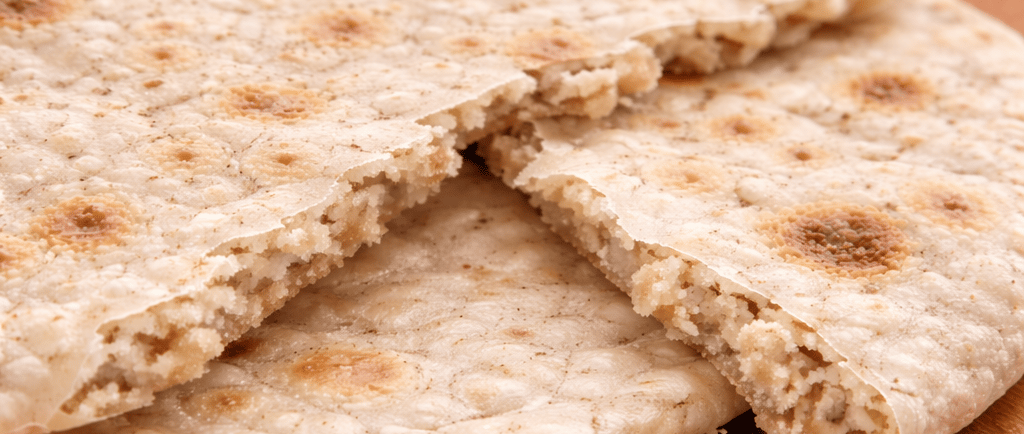
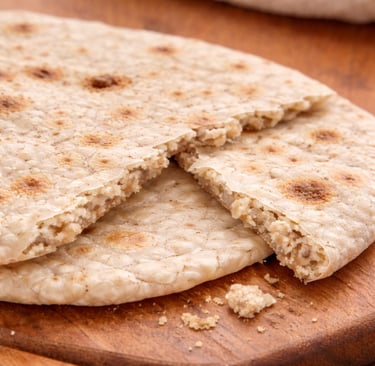
Understanding Gluten-Free Rotis
Gluten-free rotis are a delicious alternative for individuals with gluten sensitivities or celiac disease. However, many home cooks find that these rotis can often fall apart during preparation or when served. Understanding the science behind why gluten-free rotis break can help us troubleshoot the issue effectively without sacrificing nutrition.
The Role Of Ingredients In Gluten-Free Rotis
In traditional wheat-based rotis, gluten plays a crucial role. It provides elasticity and strength, helping the dough hold together. Gluten-free alternatives often rely on a variety of flours—such as almond, coconut, or rice flour—that lack these properties. To create a dough that doesn’t crumble, consider using a blend of gluten-free flours. Combining flours can enhance binding and texture, making for a more cohesive roti.
Fixing Breakage: Tips for Better Texture
1. Incorporate Binders : To improve the texture of gluten-free rotis, add binders such as psyllium husk, xanthan gum, or flaxseed meal. These ingredients mimic gluten in terms of flexibility and help retain moisture, creating a softer and more pliable roti.
2. Hydration is Key: Gluten-free flours often require more liquid than their gluten-containing counterparts. Be sure to use enough water or other liquids while kneading the dough. This increase in hydration can help achieve a dough consistency that rolls out easily and cooks properly.
3. Experiment with Cooking Techniques: The method of cooking also affects the result. Try cooking on a well-heated tava or skillet and consider using a lid to trap steam. This not only ensures even cooking but can also keep the rotis soft and pliable.
By implementing these tips, you can work towards creating gluten-free rotis that maintain their structure while also being nutritious. Remember, experimentation is key to finding the perfect blend and technique for your specific needs. With time and practice, baking gluten-free rotis can become an enjoyable and rewarding experience.
Questions? Reach out anytime.
Subscribe
© 2026. All rights reserved.
Returns & Refunds
Aarog Foods Inc.
120 12827 76 Ave Surrey BC V3W 1E6
P: +1(877) 383-5994
E: support@aarogfoods.com
Hours: Mon-Fri 9-5pm
Ships from Canada